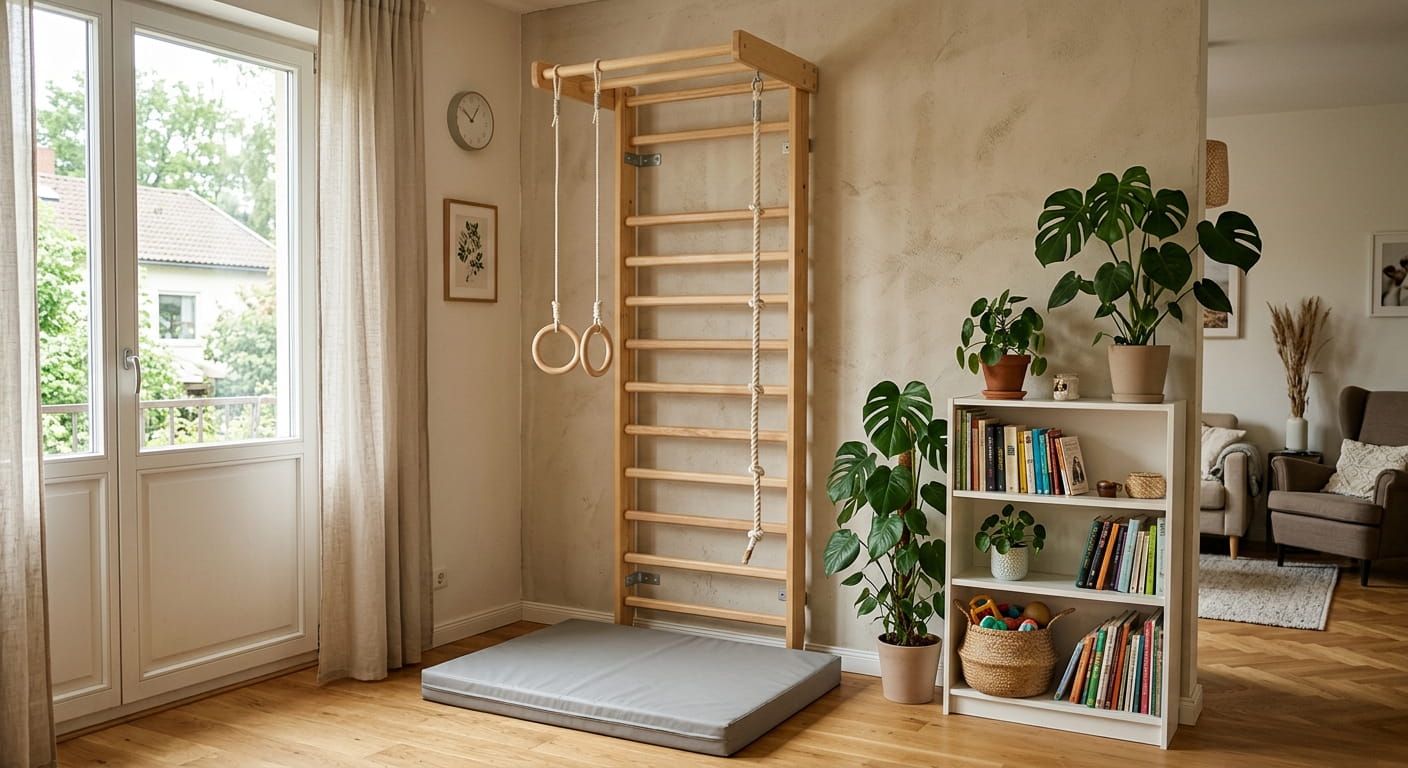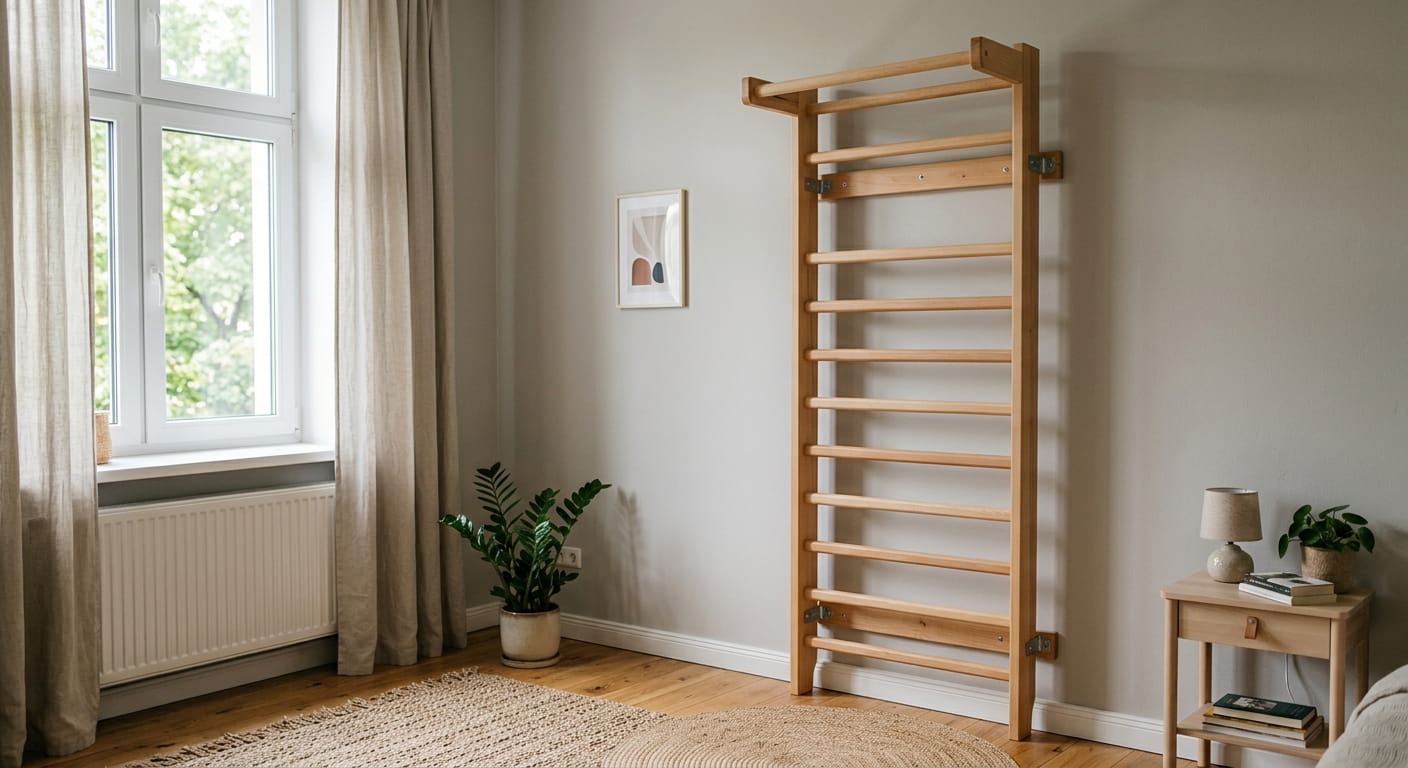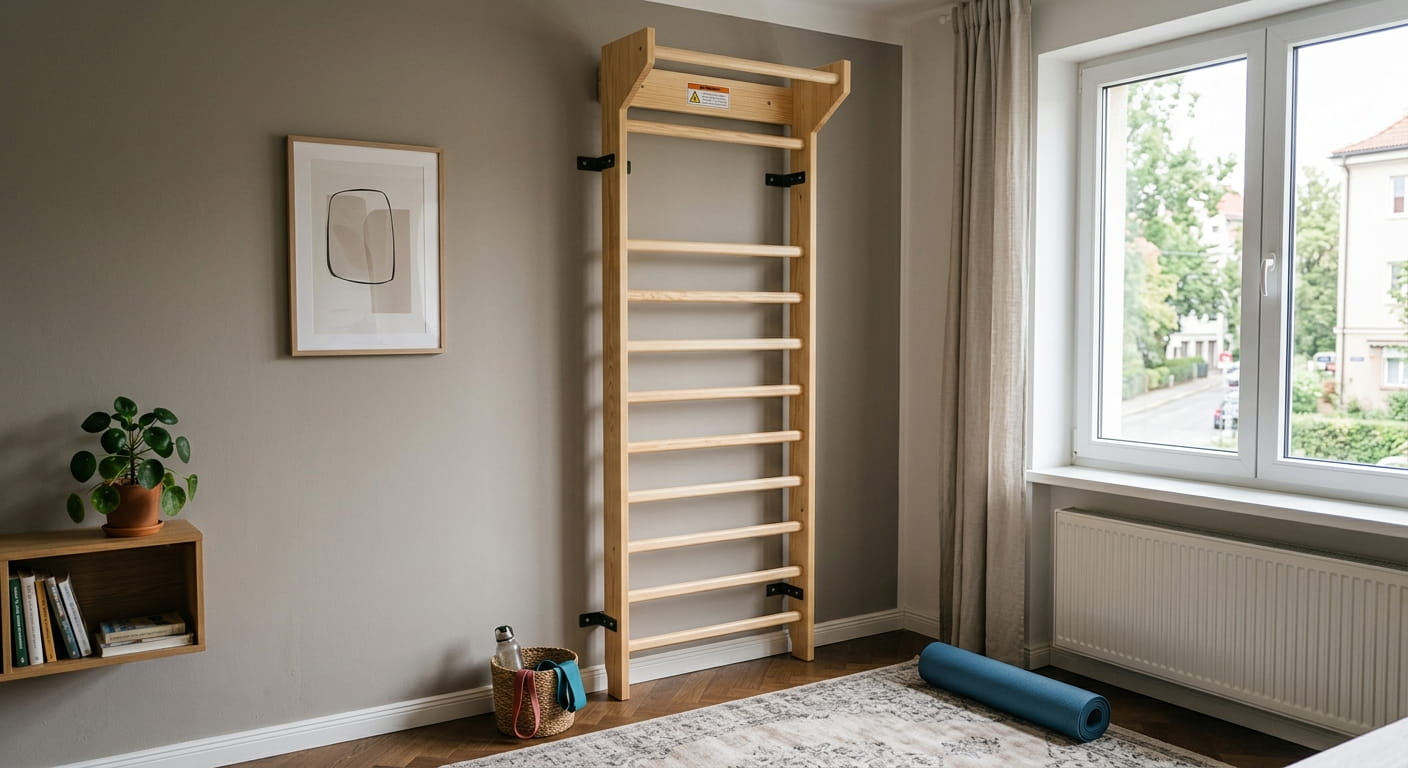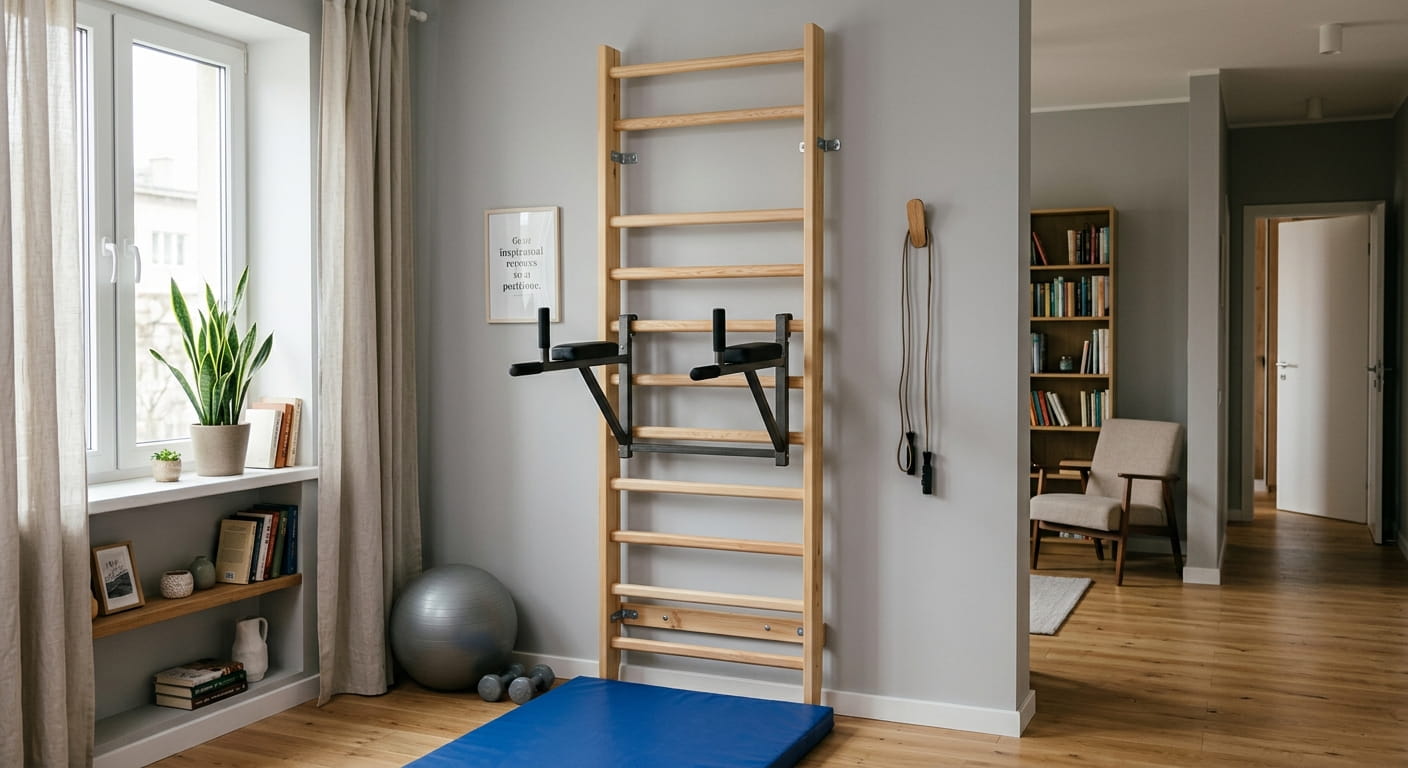
There is a real person behind the wall bars content on this site — Veronika Tarasevich, a digital marketer from Minsk who specialises in product niches. Her role here is narrow and clear: to make sure every page answers a genuine buyer question, and that the figures on load, dimensions and mounting match what the manufacturer actually produces. Below is a look at her professional background, her skills and her approach to the texts you read in the catalogue.
Professional background
Veronika came into marketing from editing: first she corrected other people's texts, then she began to work out why some pages bring in enquiries while others simply take up space. That is how her interest in semantics and site structure began. In recent years her work has centred on manufacturers and stores selling physical goods — sports equipment, children's play complexes and solid-wood furniture. These are niches where the point is not to "write nicely" but to explain honestly how one model differs from another and who it suits.
Her experience with wooden sports complexes was built in practice: analysing product cards, talking to installation managers, reading product datasheets and customer complaints. It is from details like these that an understanding forms — that a pressure-mounted post must not go under a stretch ceiling, and that a child's hand needs a rung of smaller diameter — and that this belongs right on the product page rather than hidden in the instructions.
Areas of expertise
The main areas in which Veronika runs the project:
- Collecting and clustering the semantic core for commercial and informational queries.
- Technical page hygiene: headings, microdata markup, internal linking, speed and mobile layout.
- Content read equally well by people and by the language models in search results: a direct answer in the first paragraph, facts and comparison tables.
- Fact-checking: dimensions, load rating, wood type, mounting method and price — all verified before publication.
- Behavioural analytics: where a visitor leaves, which block to rewrite, which question to add to the FAQ.
Approach to wall bars content
The guiding principle is simple: a text should be more useful than silence. If a paragraph does not help you choose a model, explain the mounting or ease the fear of "will it hold", it gets rewritten or removed. Hence the refusal of generic phrasing, boilerplate introductions and artificial keyword repetition. It is better to show the difference between home wall bars and a version for children with concrete figures than to praise a "wide range".
Honesty gets special attention. On the pages you will find not only the upsides but the limitations too: where the wood needs care, which ceiling a pressure fit does not suit, and why a reinforced model is not for everyone. This approach keeps trust for longer than glossy promises, and along the way it saves the buyer money on returns.
Interests outside work
Veronika is passionate about accessible home fitness and the topic of good posture in schoolchildren — part of the reason the sports-complex project felt close to her. She finds it fascinating how a small piece of equipment by the wall changes a whole family's habits: one person starts hanging after the workday, another climbs instead of reaching for a tablet. Those observations later turn into sections about wall bars with a pull-up bar and into lively answers in the question blocks.
If you have a note on the facts on the site or a question about choosing a model, this is a case where the feedback really is read and taken into account. The content is refined regularly: new comparisons appear, answers are expanded and wording is corrected. That way the catalogue remains not an advertising showcase but a reference you can trust when choosing a sports complex for your home.